environment

Environment / 3 weeks ago
How safe is it to walk alone at night in Europe?
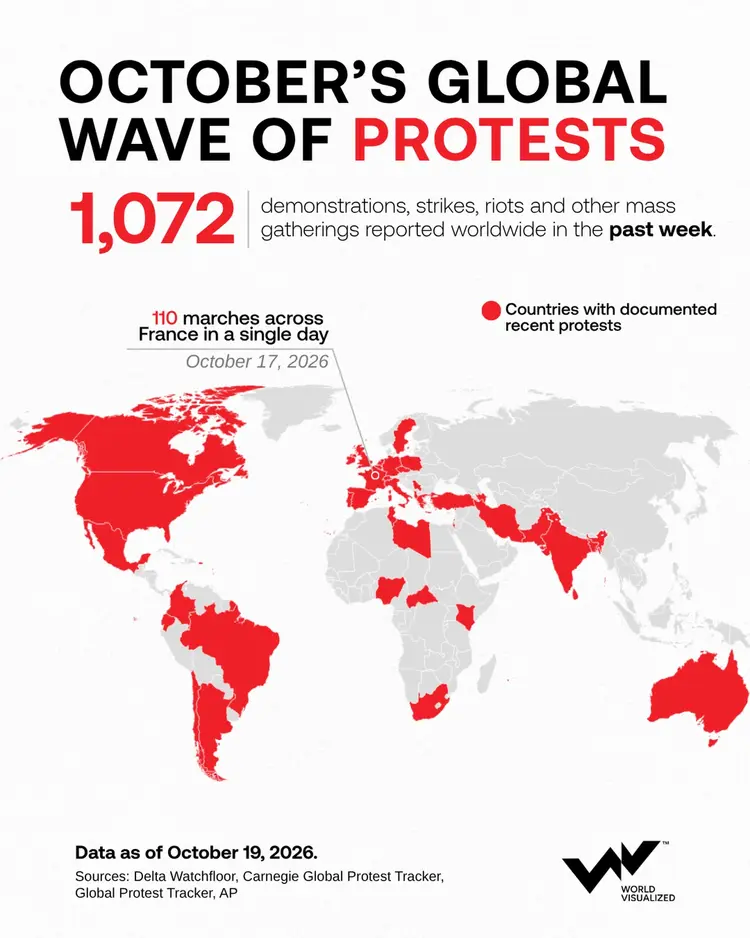
At a time when travel is booming again and Europe is navigating political shifts and economic pressures, the question currently on people's minds is: How safe do people feel walking alone at night? At a time when travel is booming again and Europe is navigating political shifts and economic pressures, the question currently on people's minds is: How safe do people feel walking alone at night? Recent protests in France, rising cost-of-living pressures, and renewed security concerns across the UK have influenced how residents perceive their neighbourhoods after dark. At the same time, ongoing instability from the Russia–Ukraine war continues to reshape how Eastern Europeans think about safety in their own communities.

Environment / 3 weeks ago
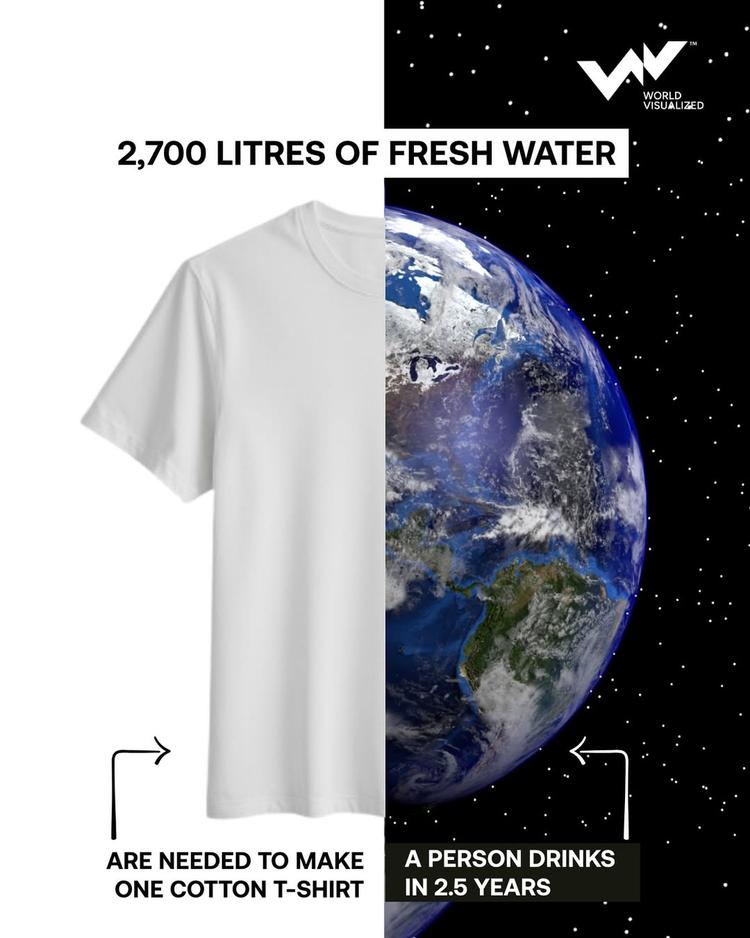
The water behind your T-shirt: One cotton tee uses as much water as you drink in 2½ years
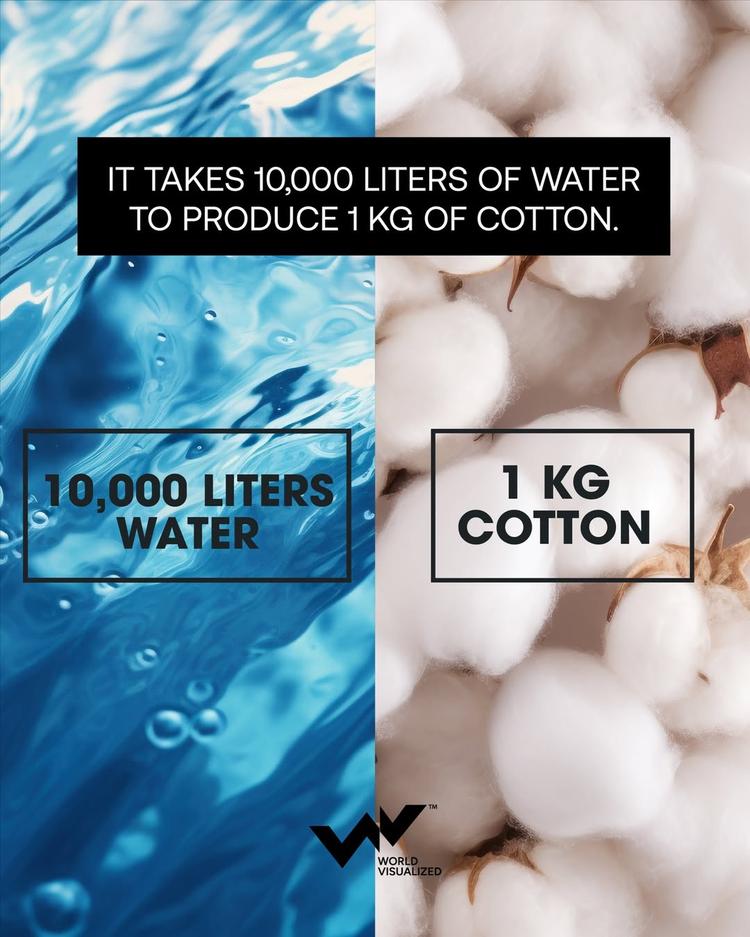
When you pick up a simple cotton T-shirt, you probably don’t think about water. But behind that soft, everyday fabric is surprisingly 2,700 litres of fresh water. When you pick up a simple cotton T-shirt, you probably don’t think about water. But behind that soft, everyday fabric is surprisingly 2,700 litres of fresh water. That’s how much it takes to grow the cotton, process it, and make just one T-shirt. To put that in perspective, that’s roughly the amount of water a person drinks in about two and a half years.
Environment / 4 weeks ago
The real impact of World War I
Historians estimate that World War I claimed between 15 and 22 million lives globally, with around 9 to 11 million military personnel and an additional 6 to 13 million civilians. But when the death toll is compared to a country’s total population, the impact becomes deep-rooted. Historians estimate that World War I claimed between 15 and 22 million lives globally, with around 9 to 11 million military personnel and an additional 6 to 13 million civilians. But when the death toll is compared to a country’s total population, the impact becomes deep-rooted. For instance, Serbia is believed to have lost between 16% and 27.8% of its population during the war, placing it among the hardest-hit nations in proportional terms.

Environment / 4 weeks ago
The silent tug-of-war between the clock and the sun in Europe
In Europe, time zones are meant to align daily life with the sun’s rhythm, but in reality, many countries run on a social clock that’s out of sync with their geographical position. A new map shows exactly how well (or badly) nations match their time zones to their natural solar time: some tick in near-perfect alignment (marked in dark green), while others live in what feels like a parallel timeline (shaded brown).

Environment / 5 weeks ago
The largest immigrant communities across the Middle East
According to the UNHCR, the Middle East and North Africa region remains one of the largest hosts of refugees and migrants in the world. Millions are displaced by conflict and economic hardship, and the region accounts for about 14% of the global migrant population. The Pew Research Centre also reports that the Middle East’s migrant population more than doubled between 2005 and 2015, increasing from 7% to 13% of the total regional population. Labour migration, mainly from South Asia, is a key factor in this rise.

Environment / 5 weeks ago